
Primary Sources

Overview and research prompts by Joseph Gaudet

Primary sources are the foundation of a historian’s work. They are historical sources that were produced either at the time of the historical event or, if later, by an individual who witnessed or participated in the event. As such, they enable the researcher to get as close as possible to the event itself, without adding additional layers of interpretation and distance.

Primary sources come in all manner of genre, with the most typical being letters, journals, manuscripts, newspapers, court cases, petitions, interviews, speeches, photographs, audio recordings, and government reports. It is the historian’s job to analyze and interpret these sources, taking whatever contextual information she knows and evaluating the veracity and the import of the primary source. Then, the historian makes a determination of how this primary source fits into the larger historical picture, how it modifies, augments, or takes away from current interpretations.

A secondary source, on the other hand, is a source written after the event, by somebody not directly involved and who bases her interpretation upon the accounts of others. View our list of recommended readings and links.

Primary and secondary sources are critical for the work of a historian. Primary sources form the heart of historical inquiry because they are produced by individuals who lived through the events. They get us, as historians, as close as possible to the event itself. Secondary sources are also integral. Historical scholarship exists as a dialogue, an act of perpetual communication with others who are studying the past and with the larger public. The historian needs to be familiar with secondary sources so that they can participate in the dialogue, leveraging new interpretations of primary sources (or the discovery of previously unknown or unavailable primary sources) to modify or challenge the arguments put forth by other secondary sources.

Review our Primary Sources

RED THUNDER CAMP TEPEE CIRCLE


PEGASUS GOLD WANTS YOU TO HELP PAY FOR CLEAN UP WITH THEIR MINE SITES

Northern Plains Resource Council Alert pg 1-2. July 25,1997

RED THUNDER CAMP TEPEE CIRCLE

c.1998

Zortman, Landusky Pay $37M

The Associated Press. July 22, 1996. 

Robert Gopher's Memorial Program 


RED THUNDER CAMP ORAL HISTORY DAY 

Red Thunder Camp July 17, 2016

The Red Thunder community came together in Montana the summer of 2016. They used this opportunity to reflect on the experiences and outcomes of their work to protect the Little Rockies. Read the transcript to learn more. The transcripts of these conversations have been lightly edited by participants to improve the clarity of their represented speech.

RED THUNDER CAMP TEPEE CIRCLE

Red Thunder Camp July 15, 2016

The Red Thunder community came together in Montana the summer of 2016. They used this opportunity to reflect on the experiences and outcomes of their work to protect the Little Rockies. Read the transcript to learn more. The transcripts of these conversations have been lightly edited by participants to improve the clarity of their represented speech. Listen to the audio to hear about their experiences.

RED THUNDER CAMP TEPEE CIRCLE

Red Thunder Camp July 15, 2016.

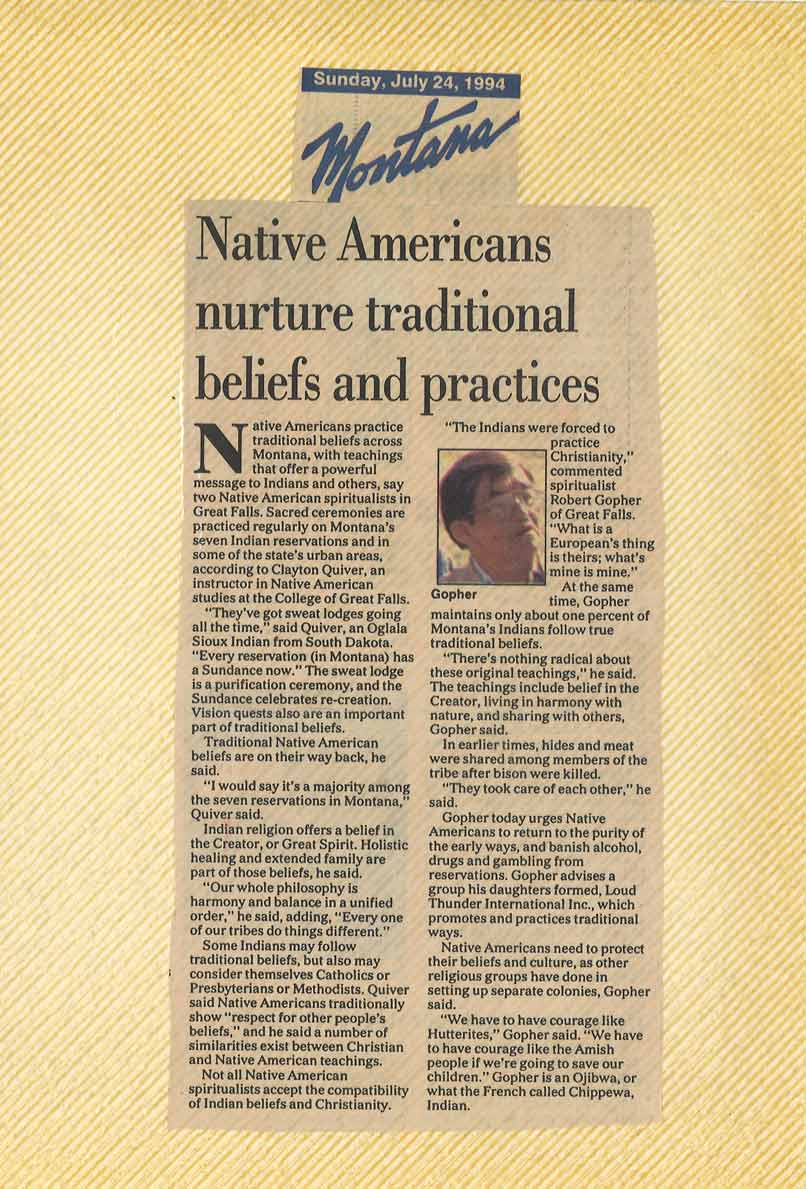
Native Americans nurture traditional beliefs and practices 

Montana, July 24, 1994. 

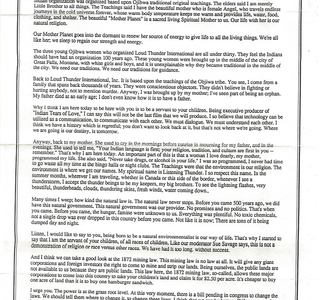
Our Sacred Mother Earth

Our Sacred Mother Earth laid the philosophical/spiritual groundwork for Red Thunder campaign and was a part of a fundraising effort for the environmental work supporting the community's efforts.

WORKS CITED AND CONSULTED 

Compiled by Dylan Nelson. 

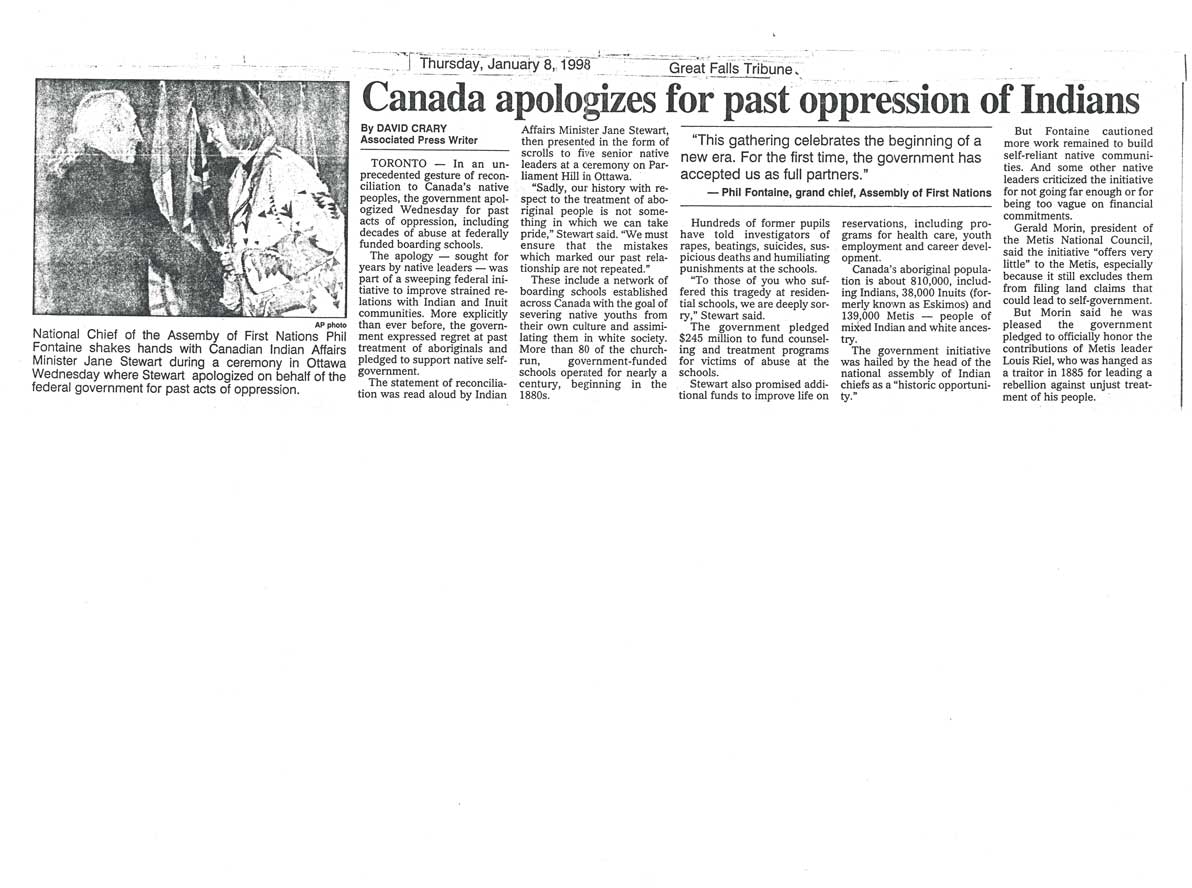
Canada Apologizes for Past Oppression of Indians 

Great Fall Tribune, Thursday, January 8, 1998.

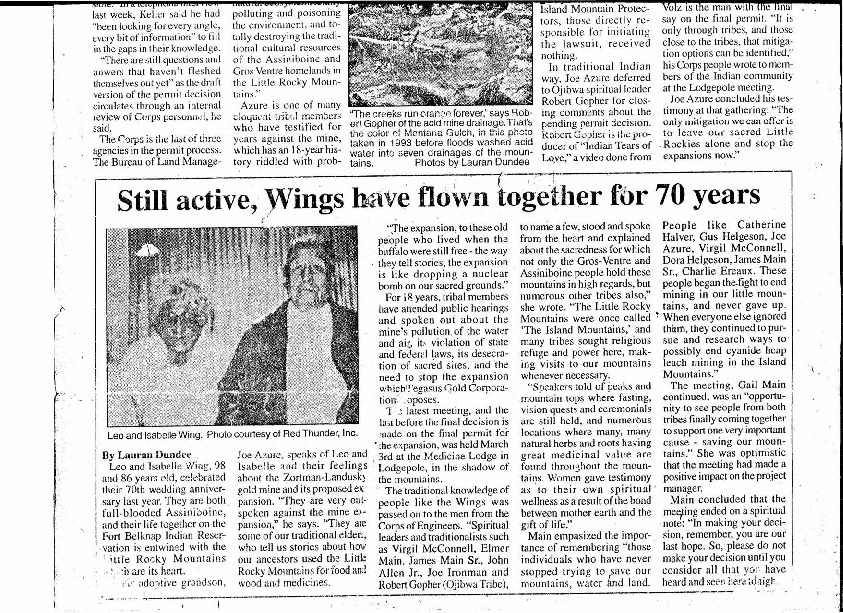
Still active, Wings Have Flown together for 70 years


Decision nears for the Little Rockies and their people

The Great Times, page 7. April 9, 1997. 

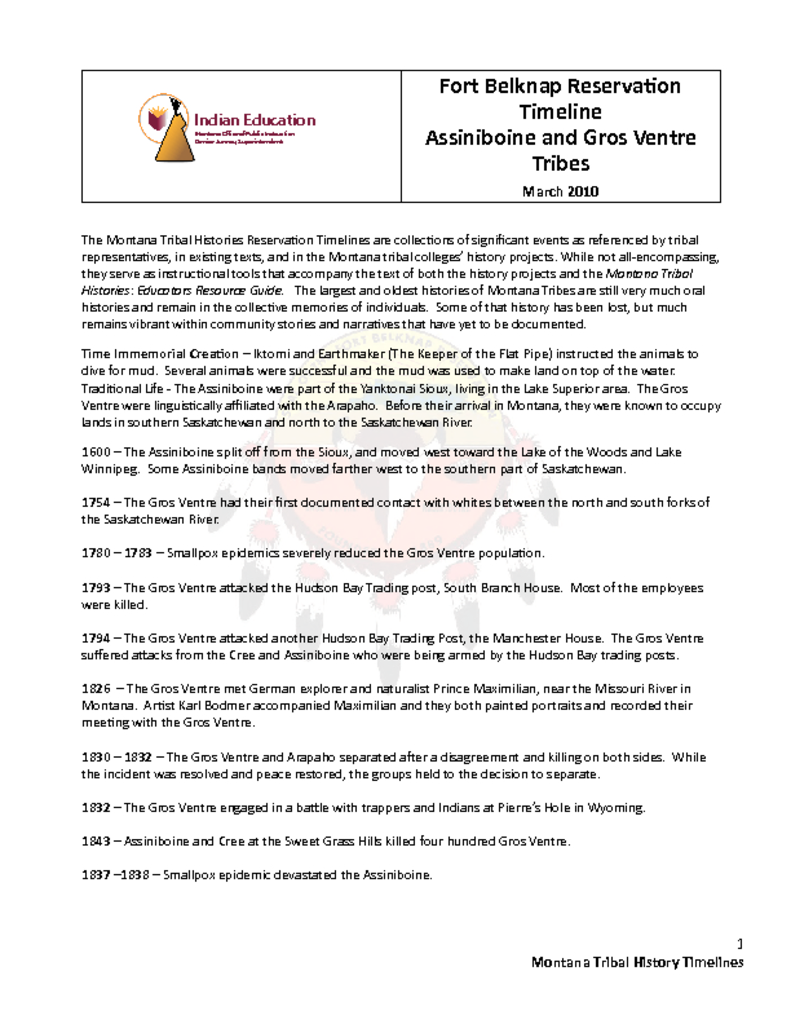
Fort Belknap Reservation Timeline

Indian Education Montana Office of Public Instruction Denise Juneau, Superintendent. 

Indian Tears of Love - Premiere Screening Robert Gopher

Premiere Screening “Indian Tears of Love” Our Most Important Female, Mother Earth - Boulder, Colorado March 15, 1992. 

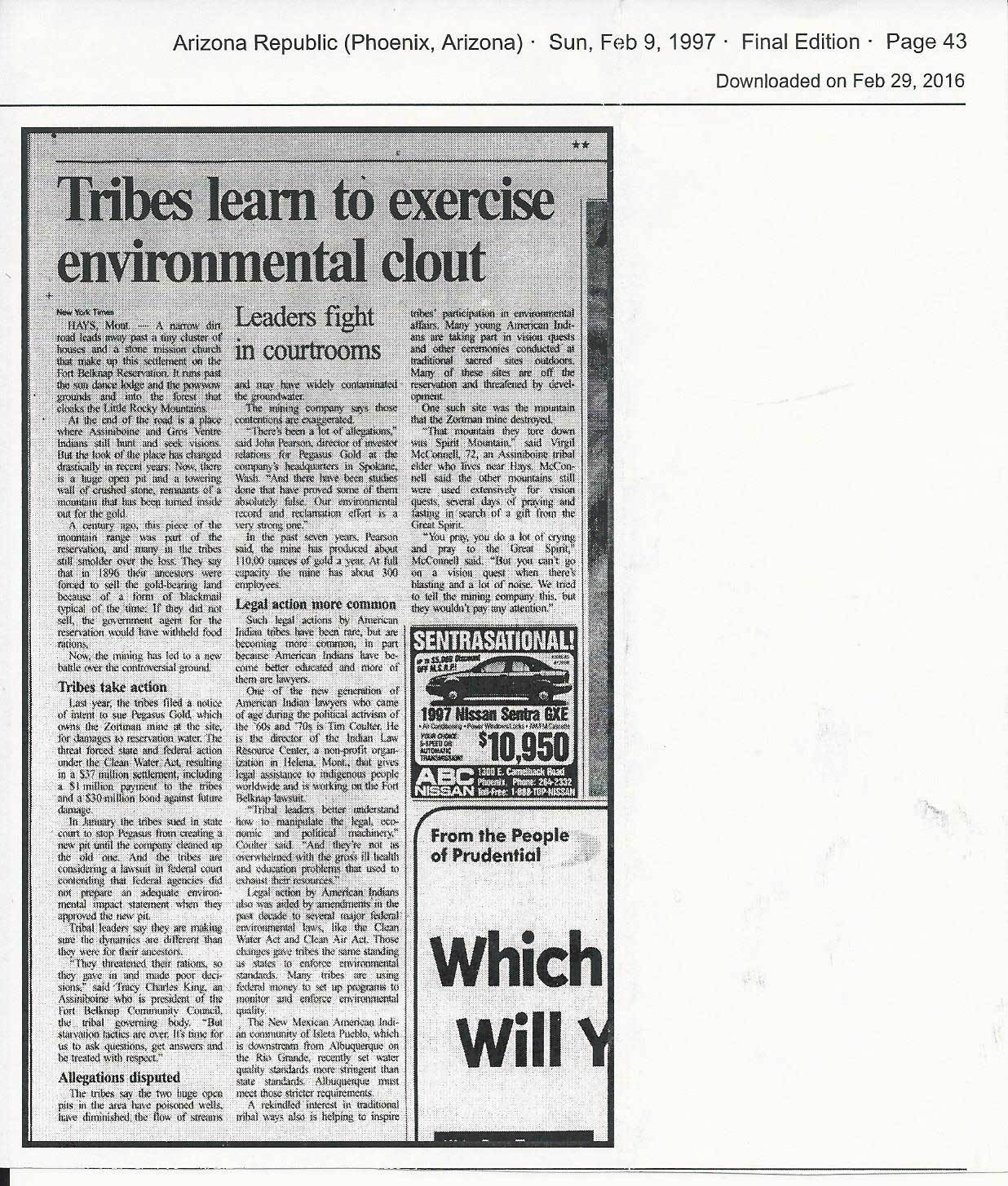
Tribes Learn To Exercise Environmental Clout

Arizona Republic (Phoenix, Arizona) Feb 9, 1997.

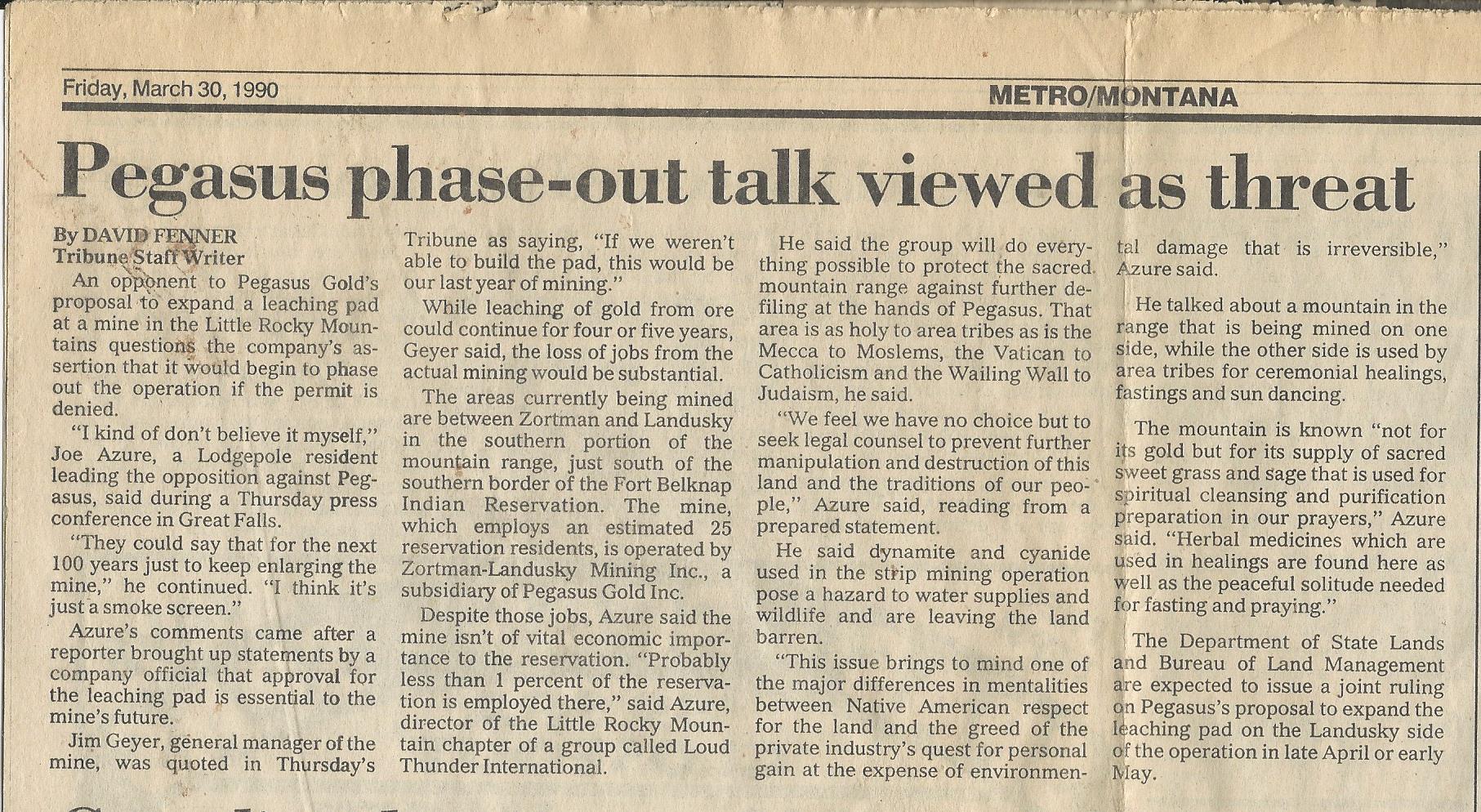
Pegasus Phase-Out Talk Viewed as a Threat

Great Falls Tribune March 30,1990.

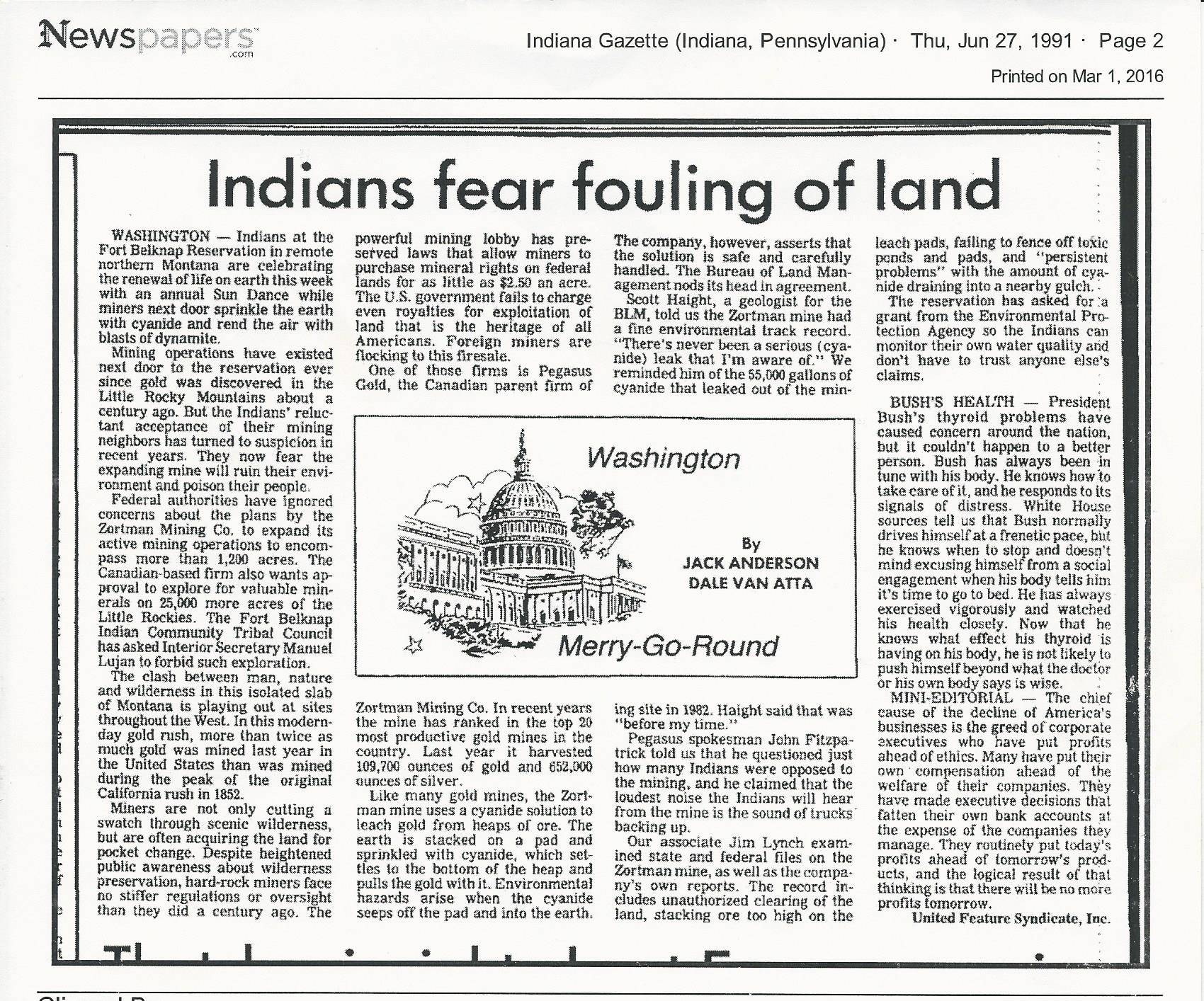
Indians Fear Fouling of Land

Indiana Gazette June 27, 1991.

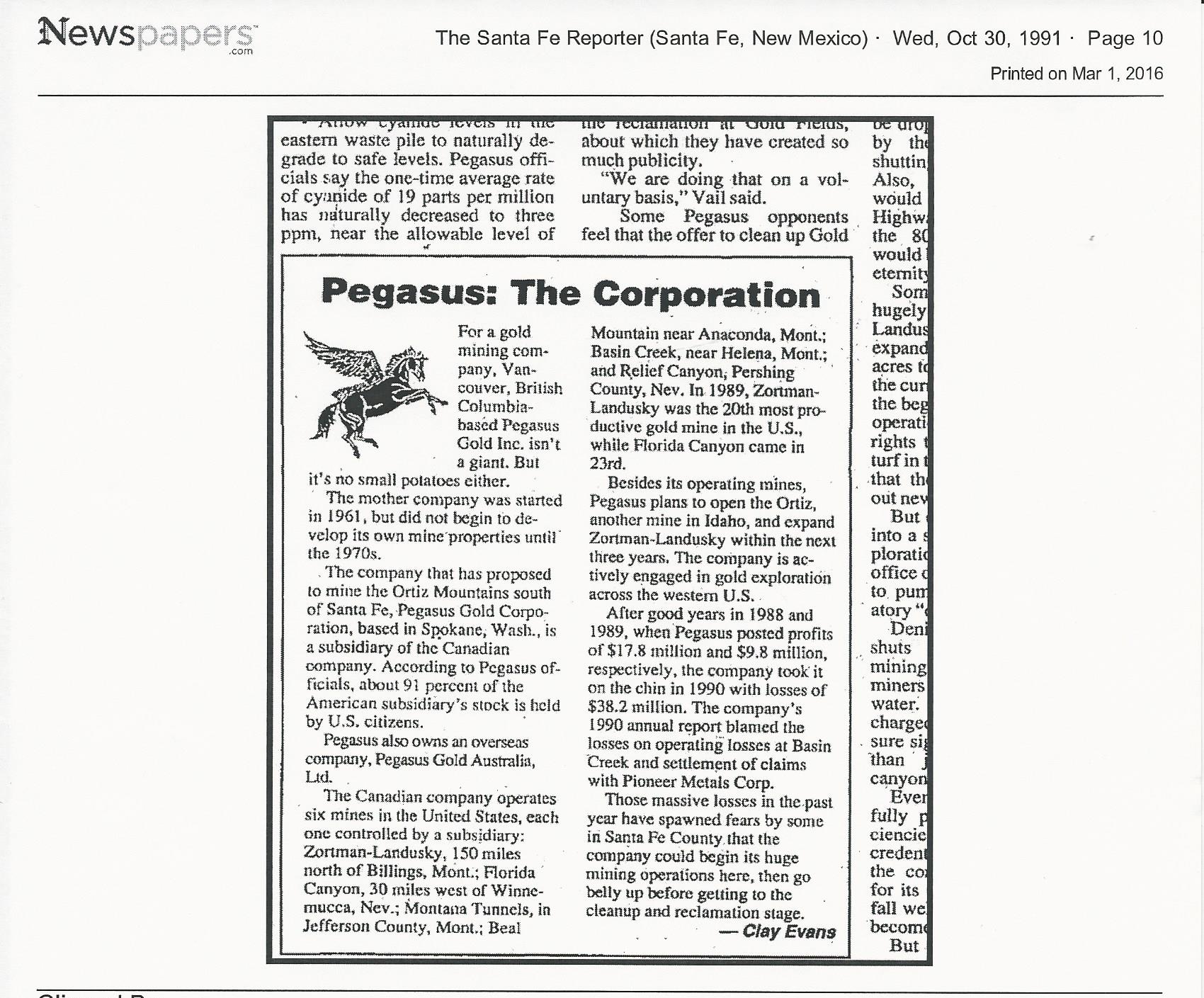
Pegasus: The Coporation

"Pegasus, The Corportation," The Santa Fe Reporter, Oct 30, 1991. 

Petition to Secretary of the Interior

Petition to Secretary of the Interior. 

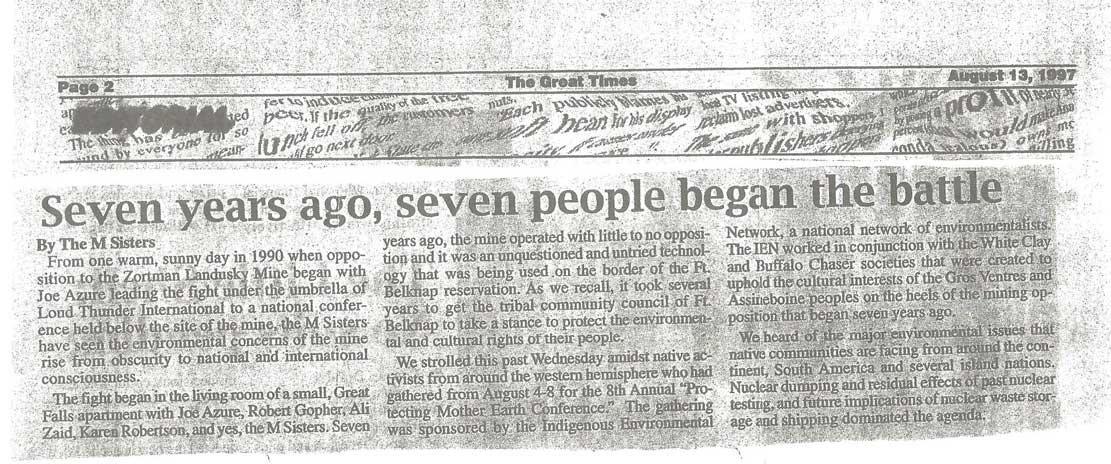
Seven Years Ago, Seven People Began the Battle

The Great Times, August 13, 1997.

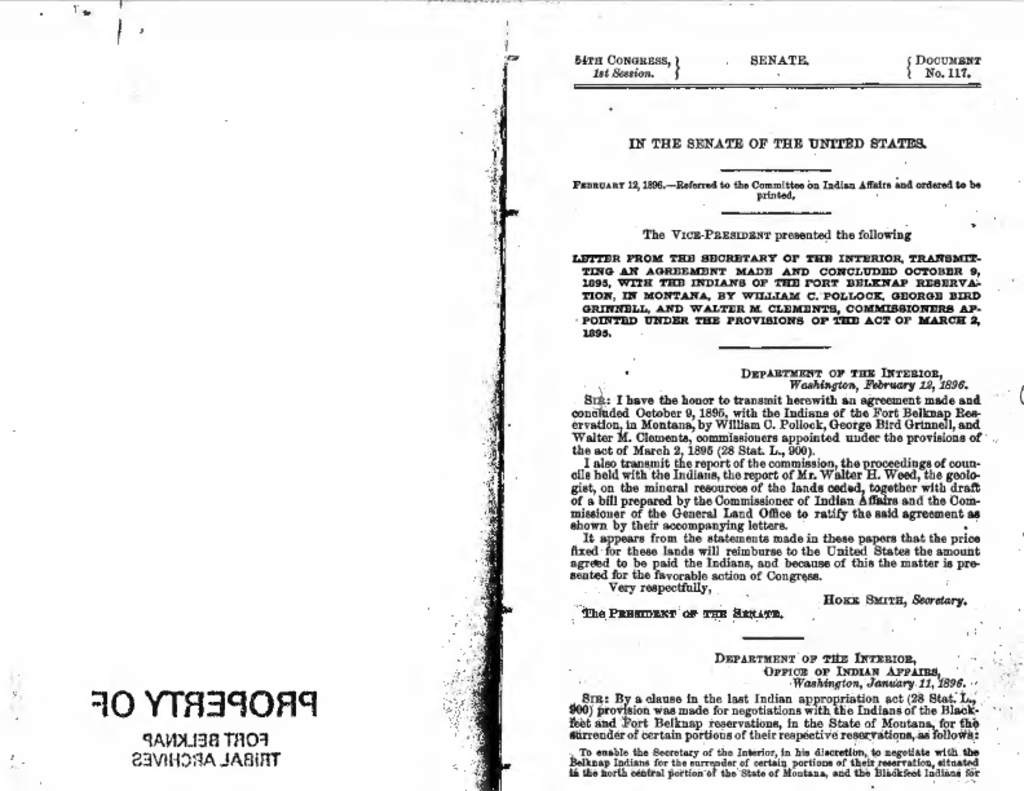
Ft. Belknap Grinnell Agreement